Featured article Valve selection
Industrial Valve Selection Guide and RFQ Checklist
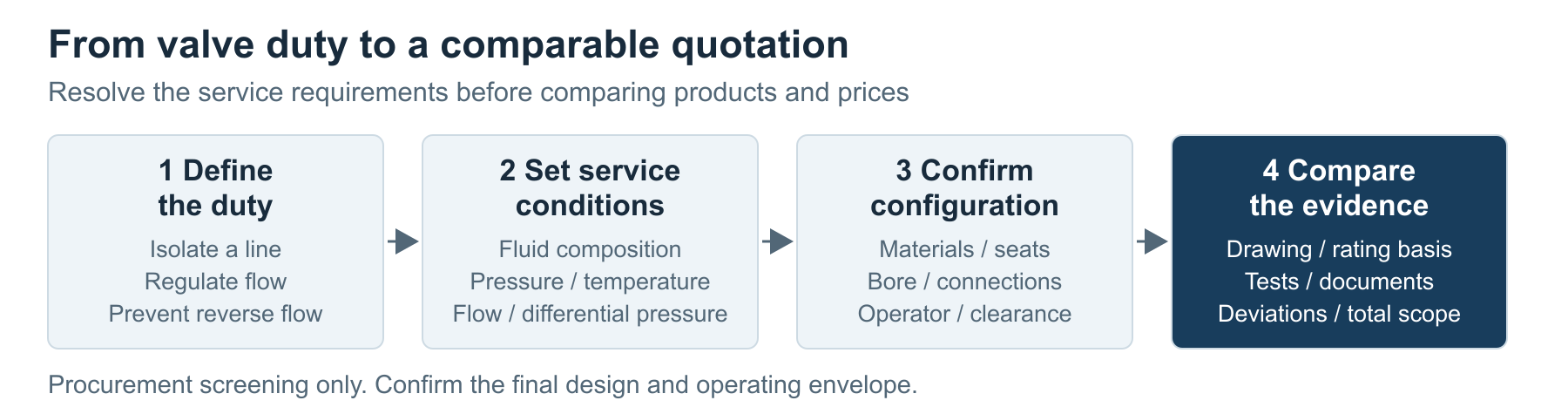
Compare industrial valve families, ZGV ball valve configurations and supplier documents. Download an editable RFQ checklist to compare quotations.
 ZGVZHONGGONG VALVE GROUP
ZGV / The journal
Selection guides, design comparisons and procurement notes, grounded in published product data.
Featured article Valve selection
Compare industrial valve families, ZGV ball valve configurations and supplier documents. Download an editable RFQ checklist to compare quotations.
42 more articles
Compare industrial valve families, ZGV ball valve configurations and supplier documents. Download an editable RFQ checklist to compare quotations.
Read article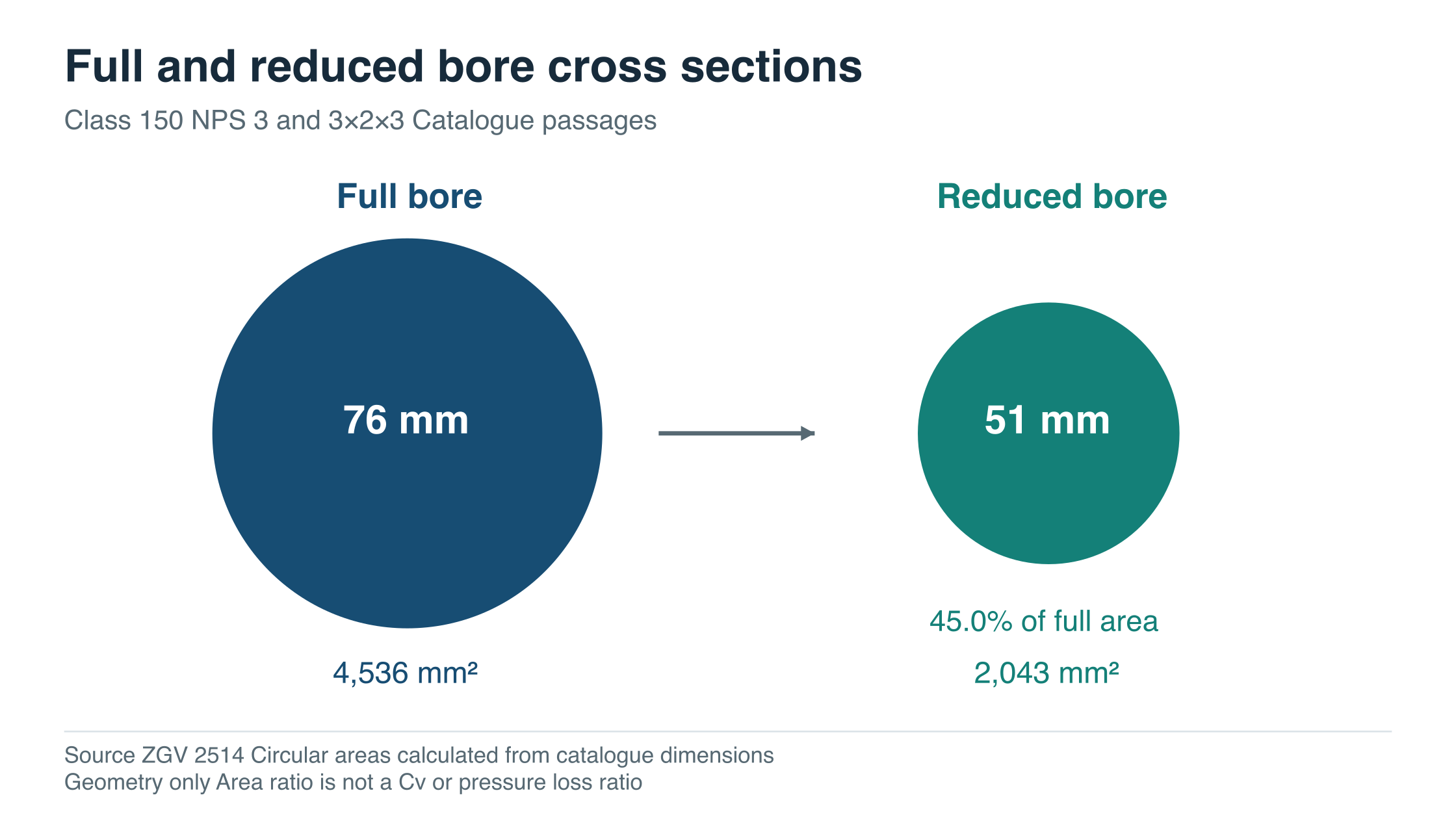
Compare full and reduced bore ball valves using published ZGV dimensions, calculated passage areas and the flow data needed for a sound procurement decision.
Read article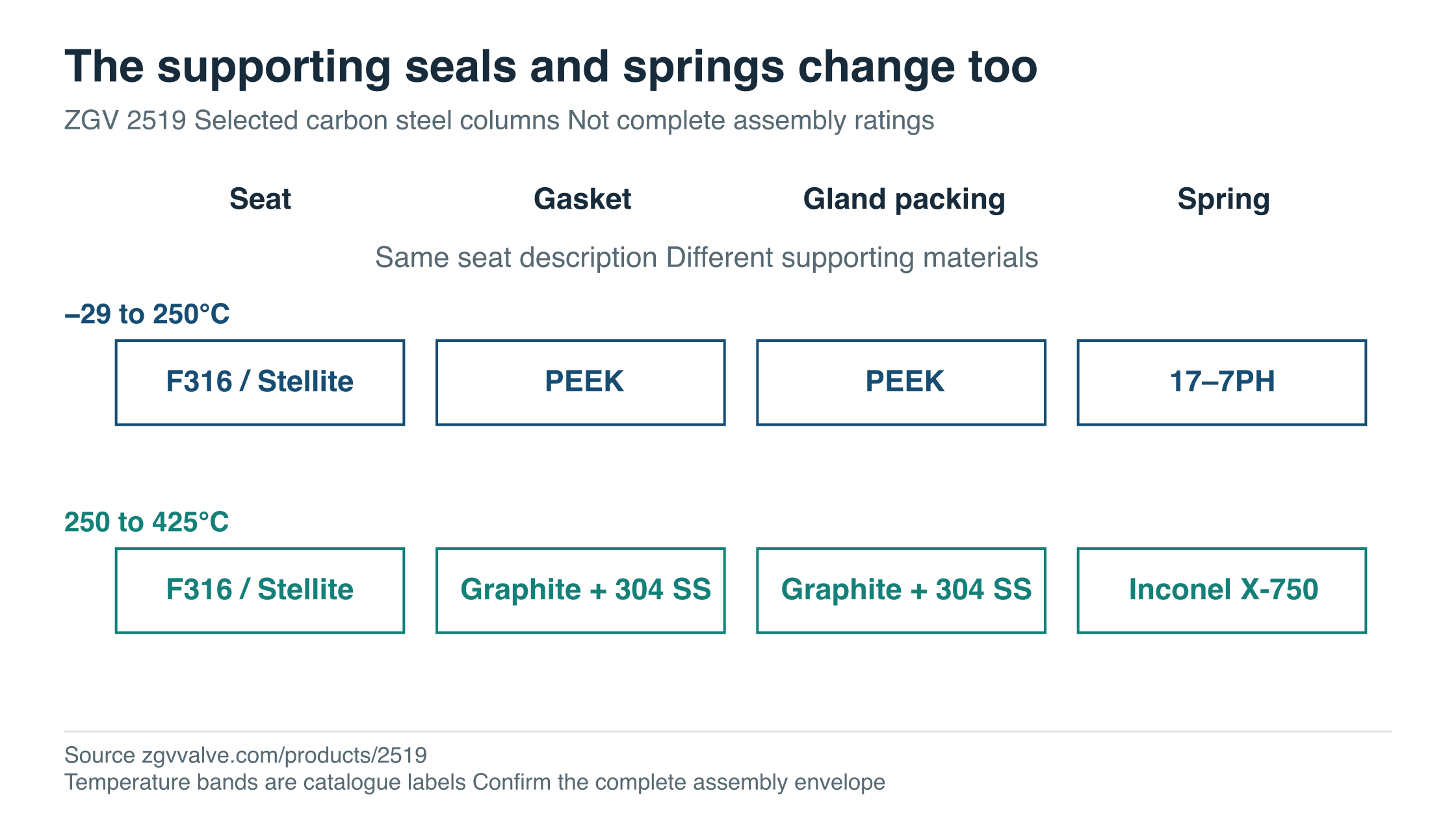
Choose a ball valve seat by fluid, particles, thermal cycling and shutoff duty. Compare ZGV seat compounds and the supporting seals and springs that change too.
Read article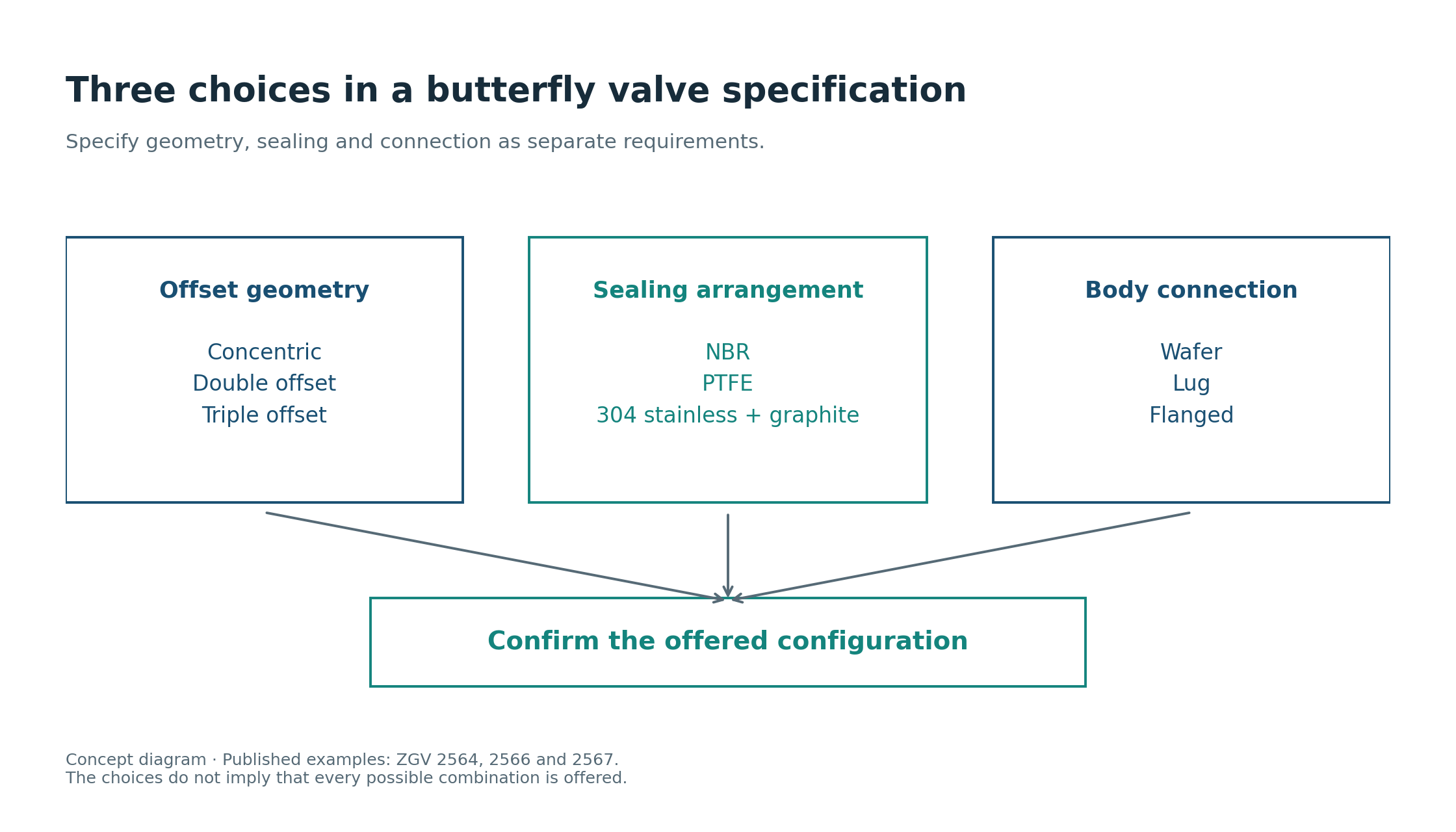
Separate butterfly valve offset geometry, seat construction and body connection. Compare ZGV materials, wafer and lug dimensions, and the duty behind the choice.
Read article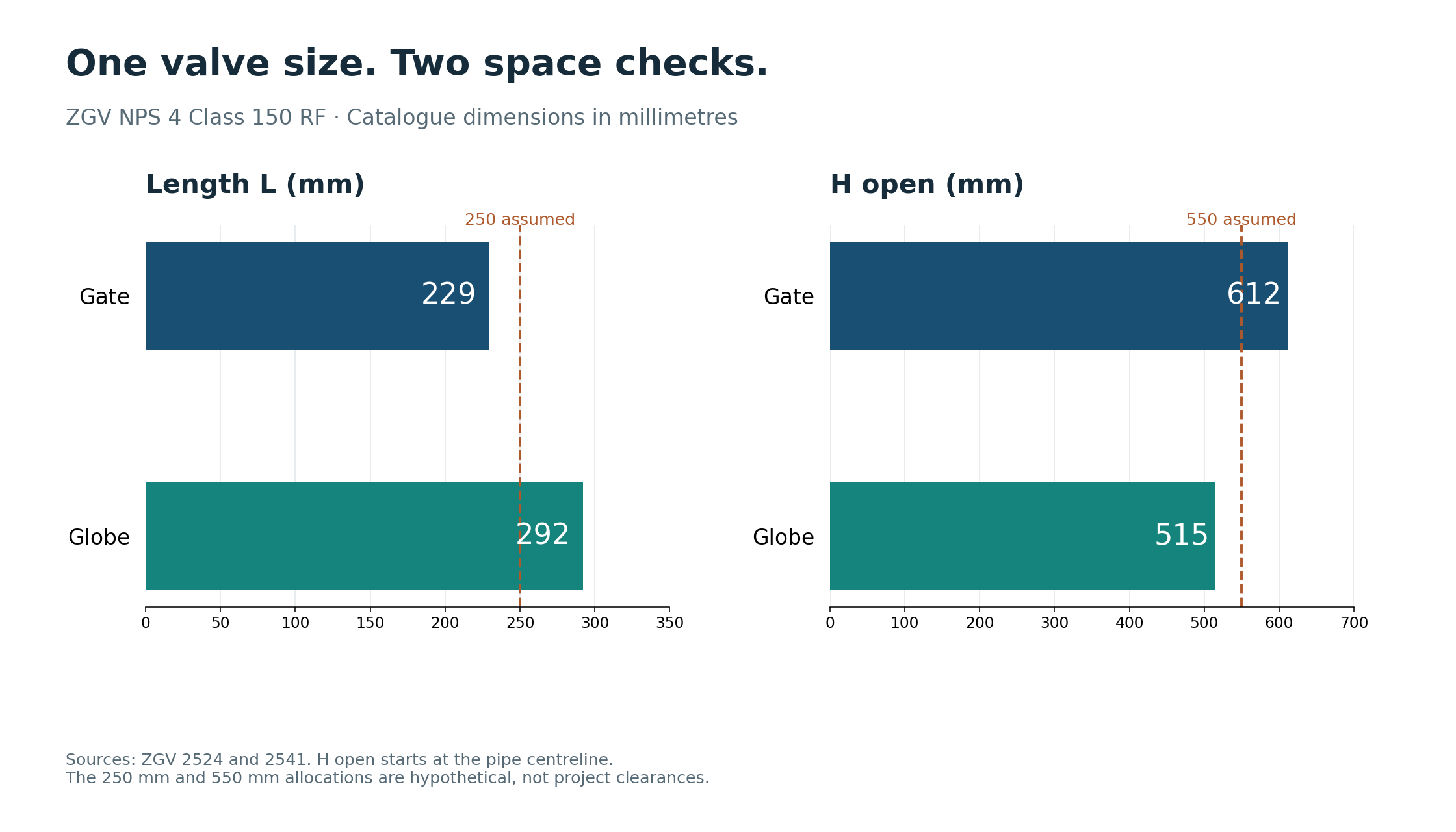
Compare gate and globe valves by duty, RF length and open height. Use published ZGV dimensions to identify replacement-space problems before approving an order.
Read article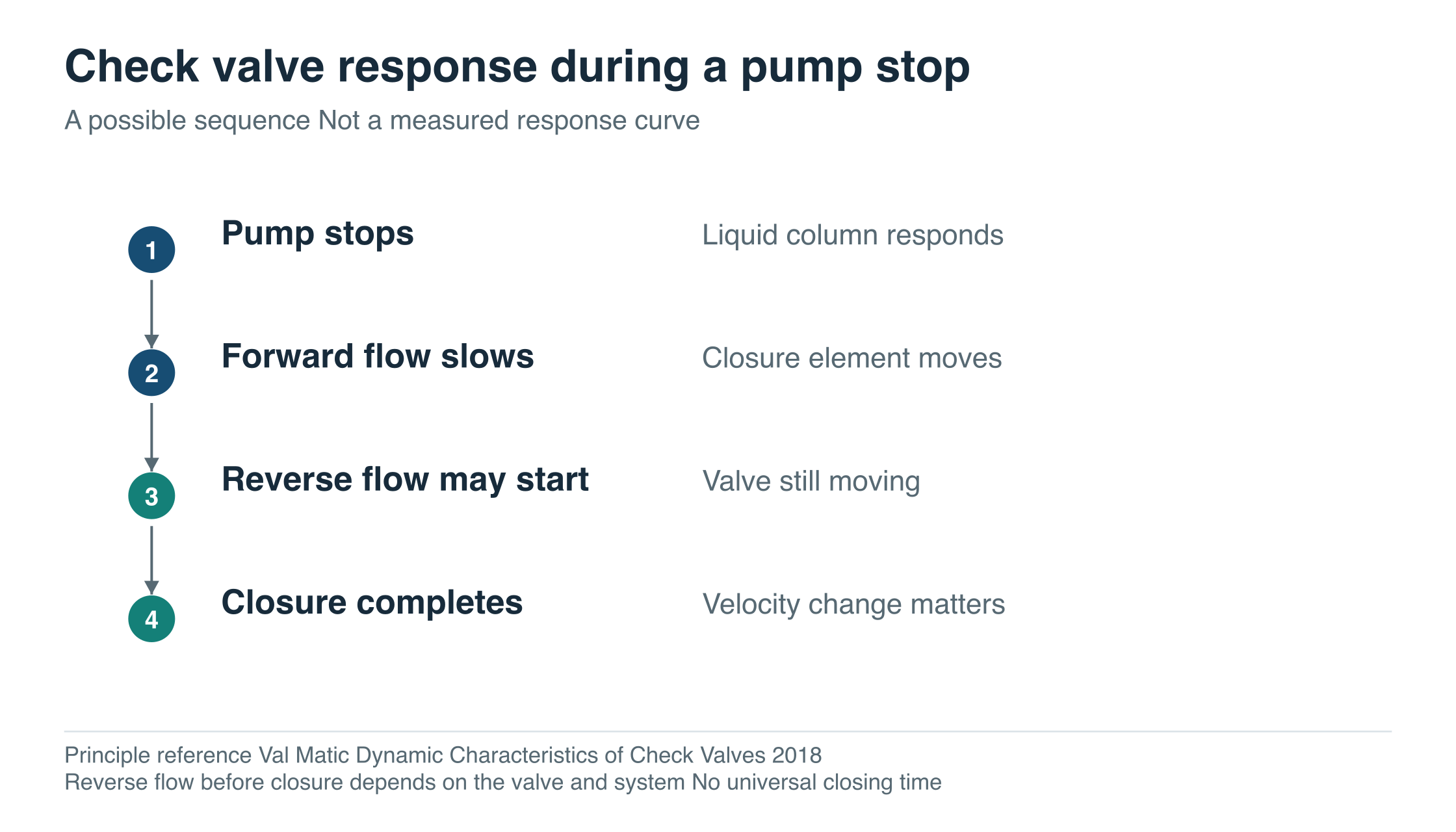
Assess pump discharge check valves by minimum flow, orientation and closing response. Compare ZGV catalogue geometry and a clearly bounded surge example.
Read article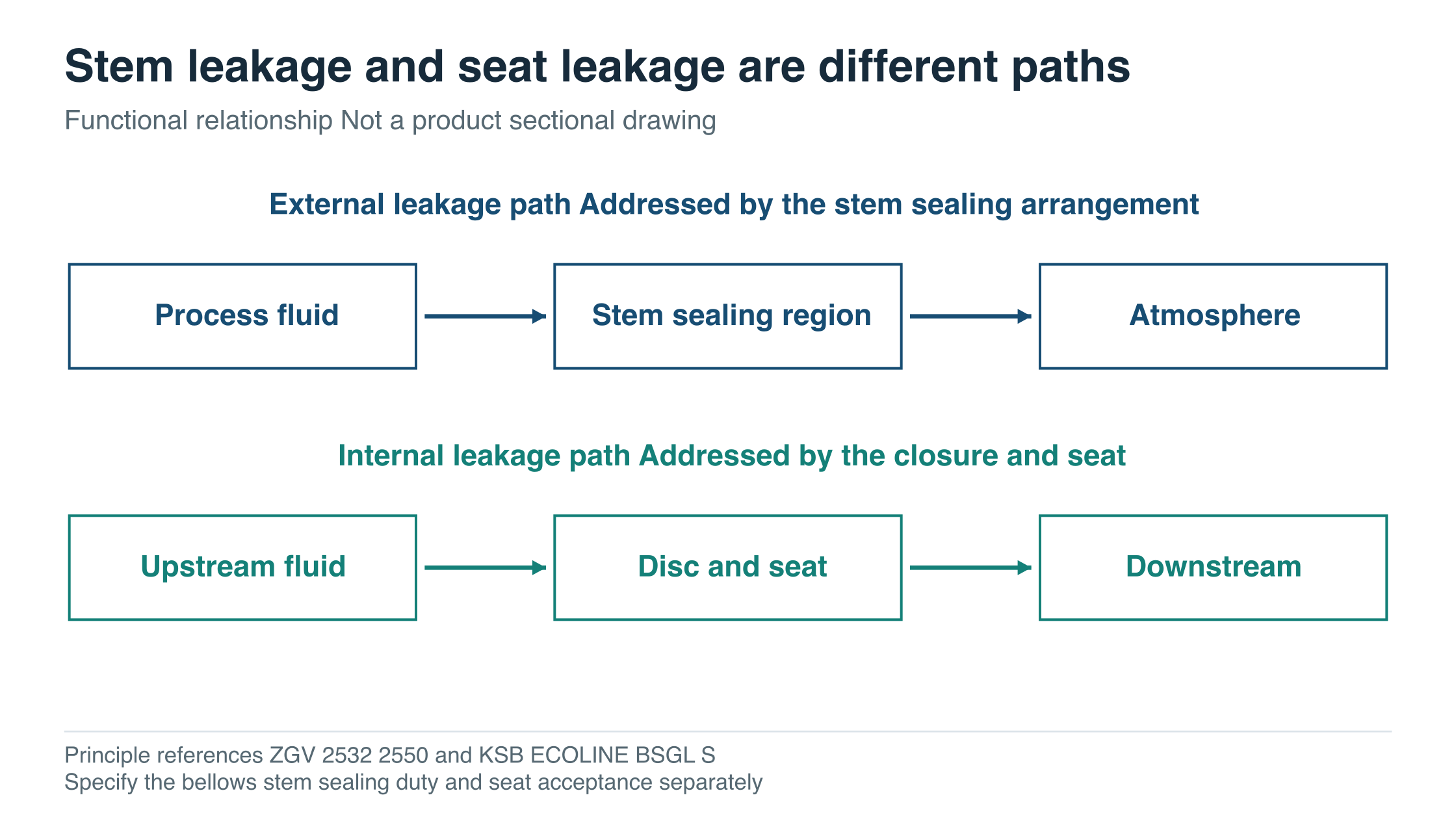
Understand what a bellows seal addresses, how it differs from seat shutoff, and what buyers need to check about materials, travel, cycles and maintenance space.
Read article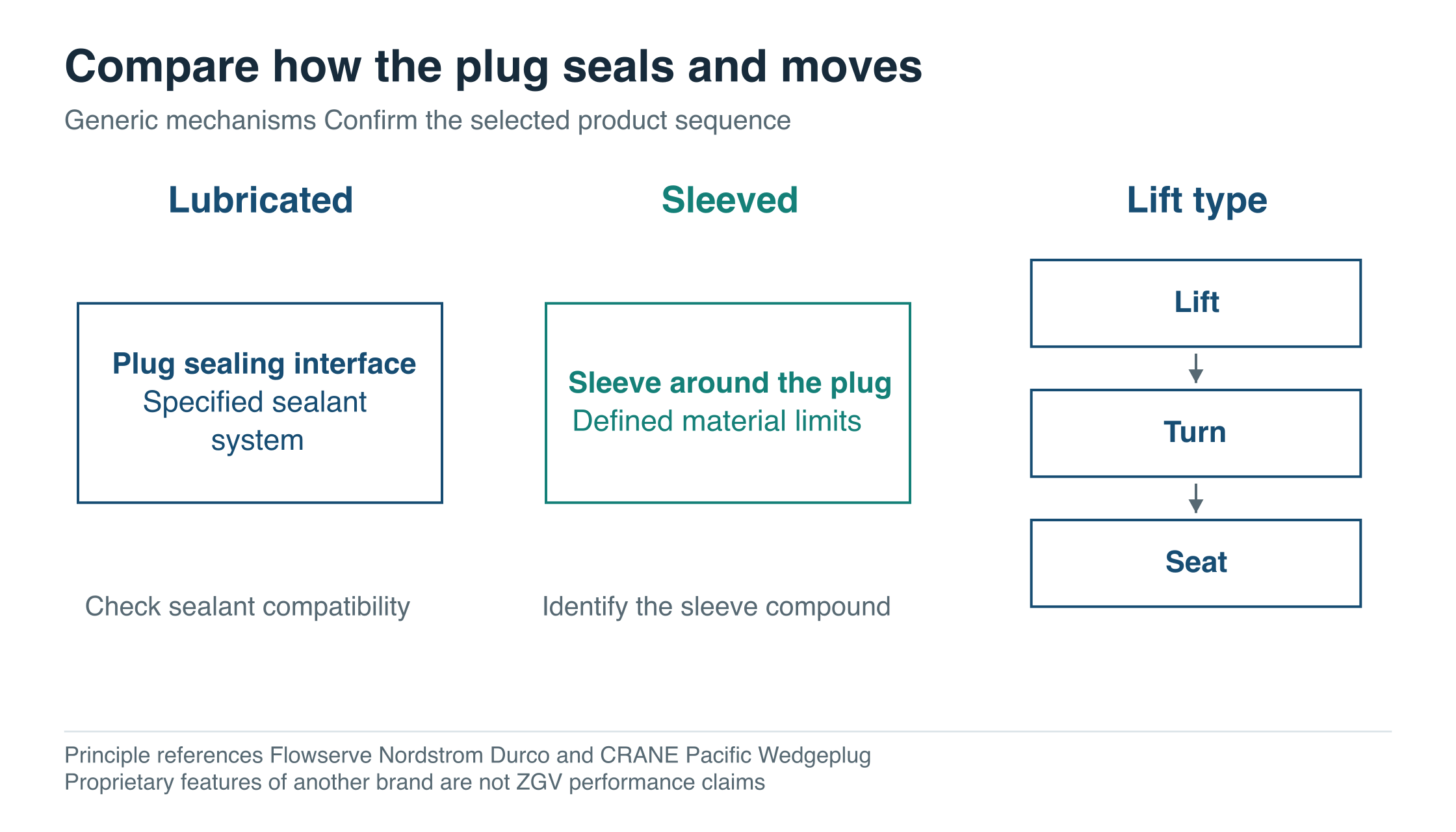
Compare plug valves by sealing mechanism, operating sequence and maintenance evidence. Review ZGV lift-plug dimensions and the port map needed for multiport duty.
Read article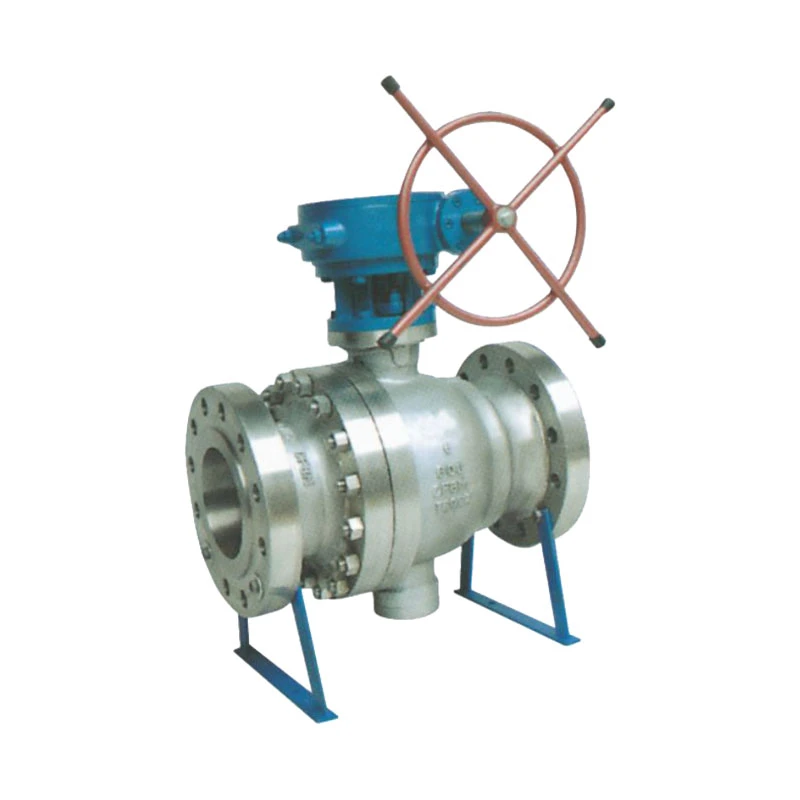
Compare API 6D and API 608 ball valves by scope, bore, isolation and order evidence. Build a clearer specification for a B2B manufacturer enquiry.
Read article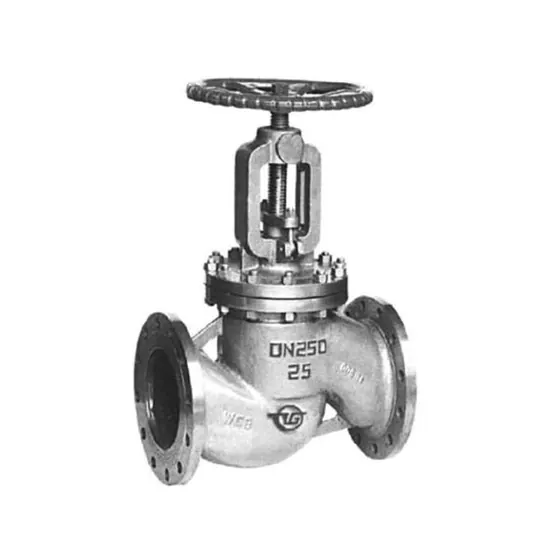
Compare pressure-seal and bolted-bonnet valve joints for pressure, thermal cycling and maintenance. Define the bonnet requirements for your valve enquiry.
Read article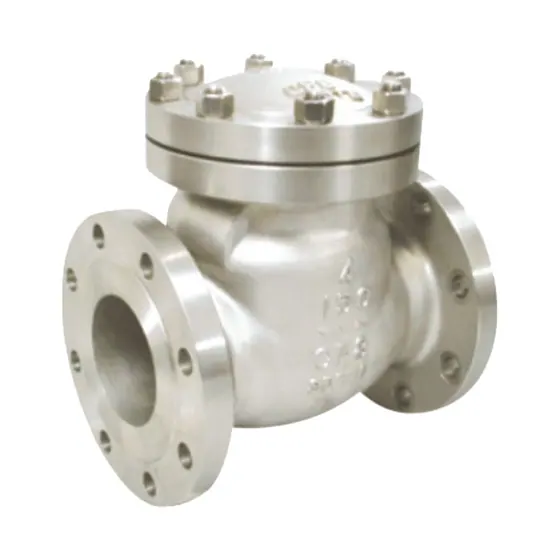
Compare dual-plate and swing check valves by installation space, flow range and dynamic closure. Identify the data needed before selecting a replacement.
Read article
Compare top-entry and three-piece ball valves by repair access, piping interfaces and maintenance scope. Specify the drawings needed before ordering.
Read article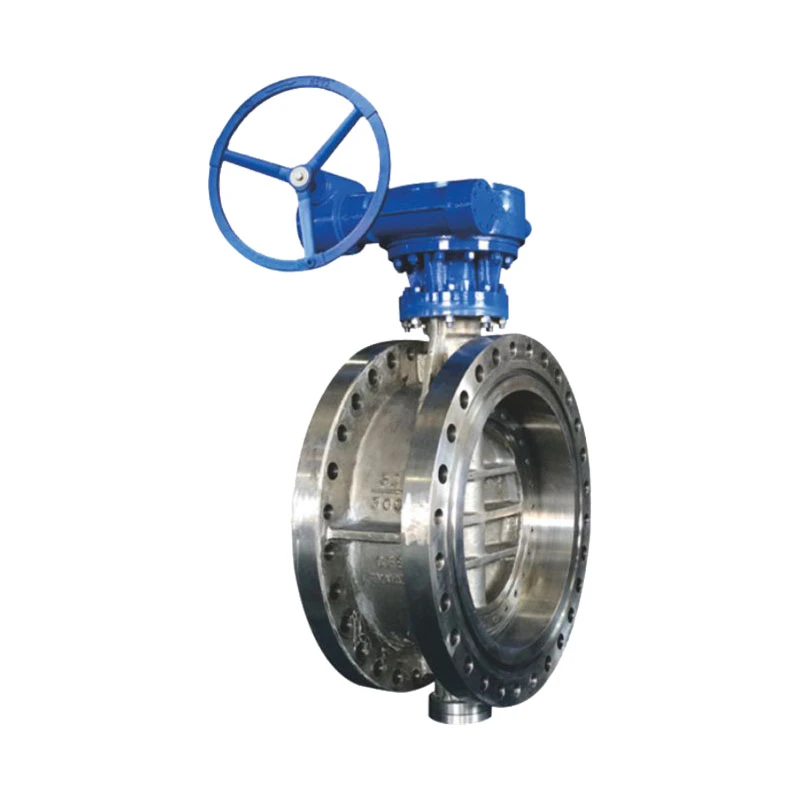
Compare triple-offset butterfly and metal-seated ball valves by passage, leakage requirements, cycling and service conditions before requesting a quote.
Read article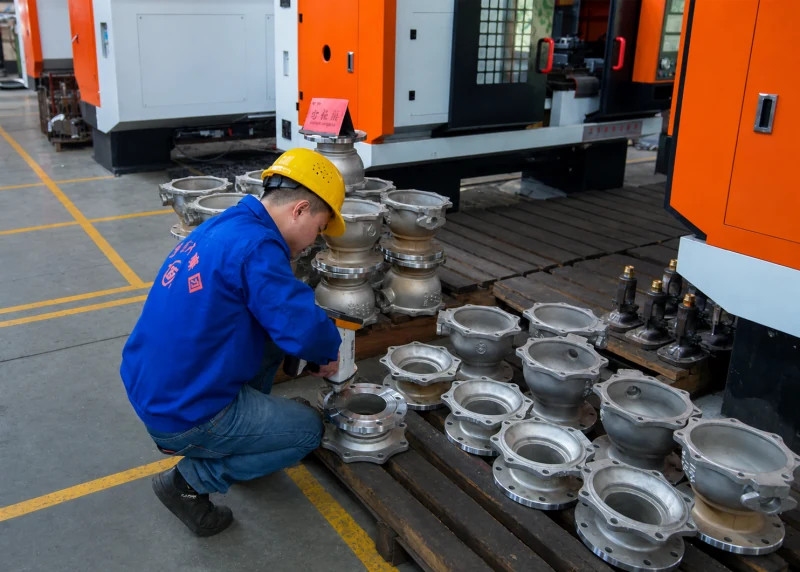
Compare slab and expanding gate valves through their actual sealing mechanism, pigging passage and cavity-pressure arrangements for pipeline enquiries.
Read article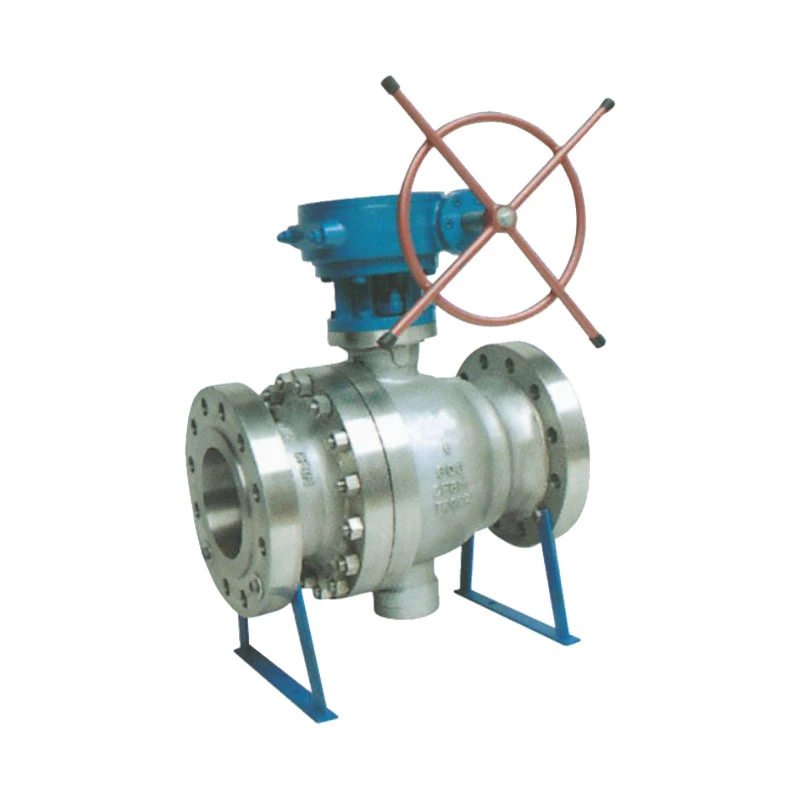
Compare DBB and DIB requirements using seat pressure directions, cavity relief and test evidence. Request a configuration-specific ball valve quotation.
Read article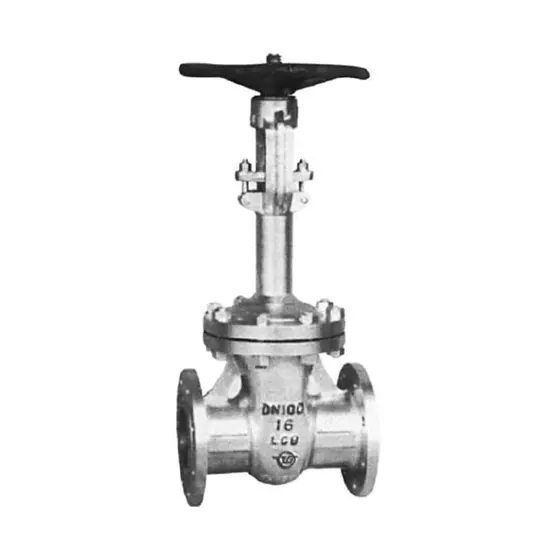
Specify cold-service valves with pressure-temperature cases, sealing direction, cavity relief and qualification evidence. Review the complete offered assembly.
Read article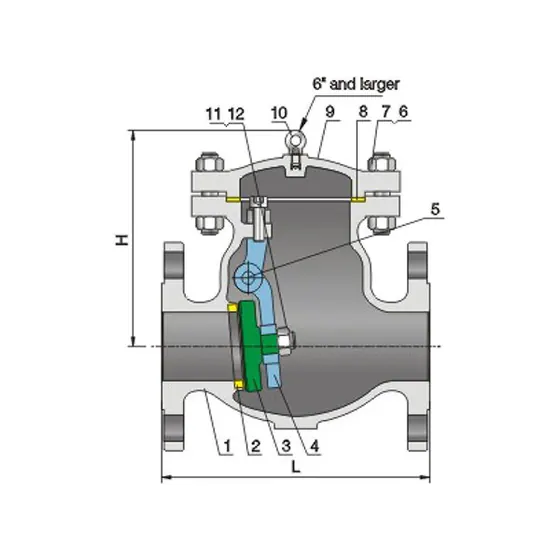
Choose check valves for vertical-up or vertical-down flow. Review the exact mechanism, opening pressure, minimum stable flow and movement clearance.
Read article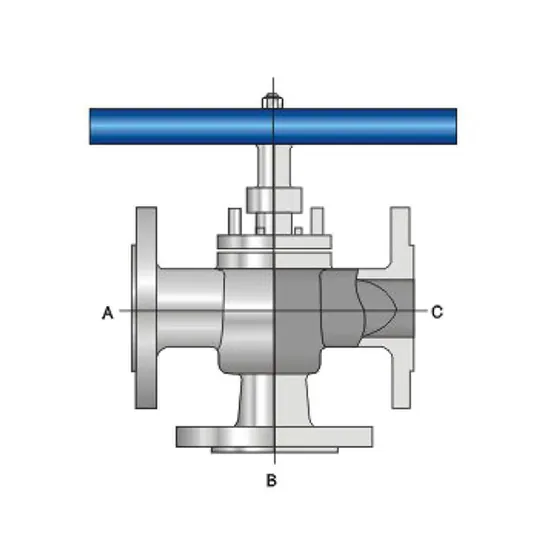
Define three-way plug valve ports, endpoint isolation and transition behaviour. Match the passage drawing, operator positions and acceptance requirements.
Read article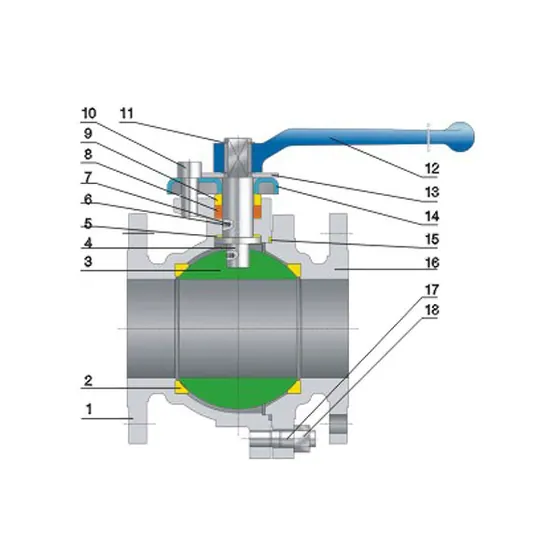
Compare floating and trunnion ball valve designs, seat behaviour, torque and pressure ratings. Use a practical checklist to specify a ZGV ball valve.
Read article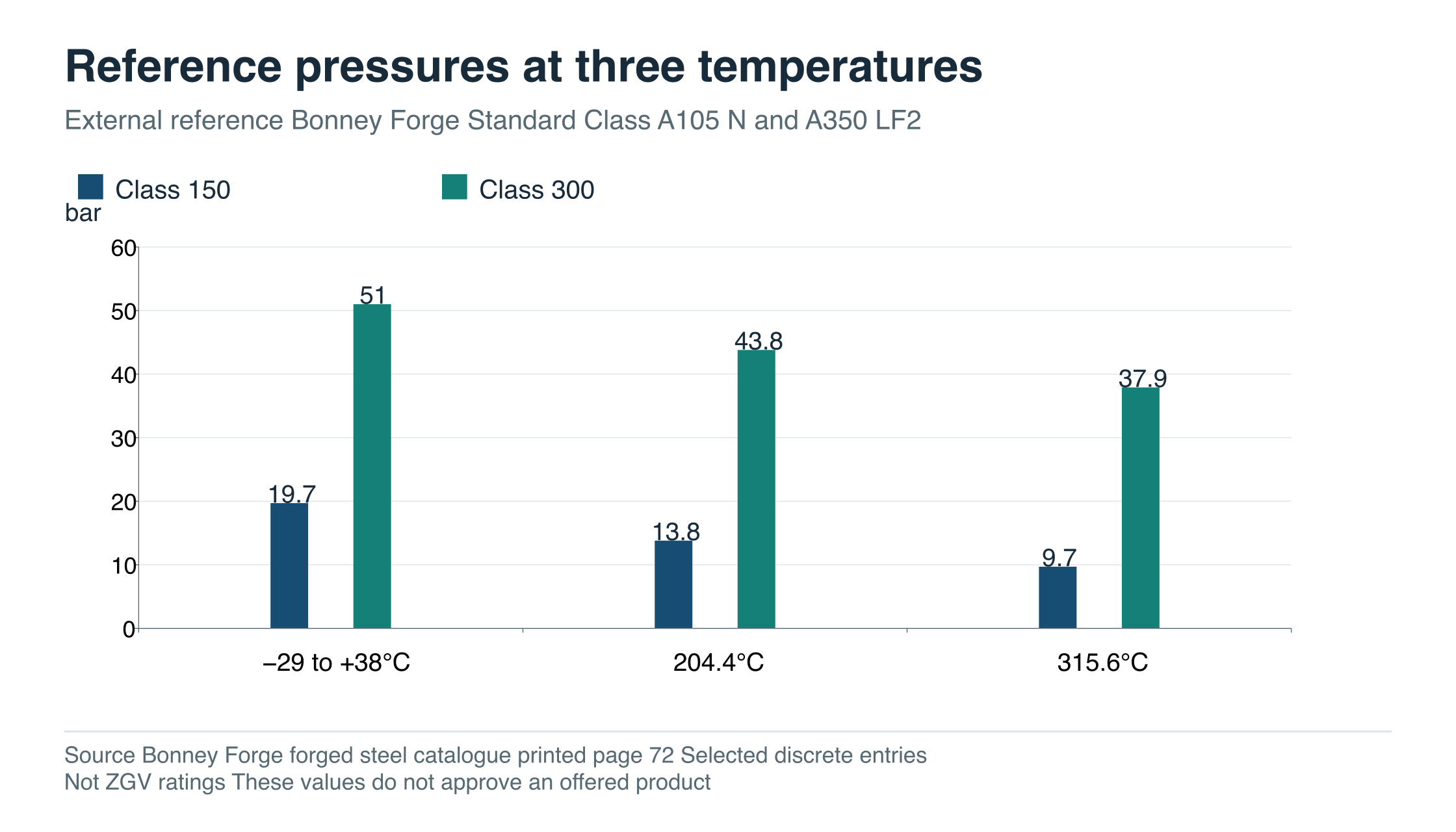
Class 150 is not a 150 psi operating limit. Learn to read material-specific pressure-temperature tables and avoid unsupported PN-to-Class substitutions.
Read article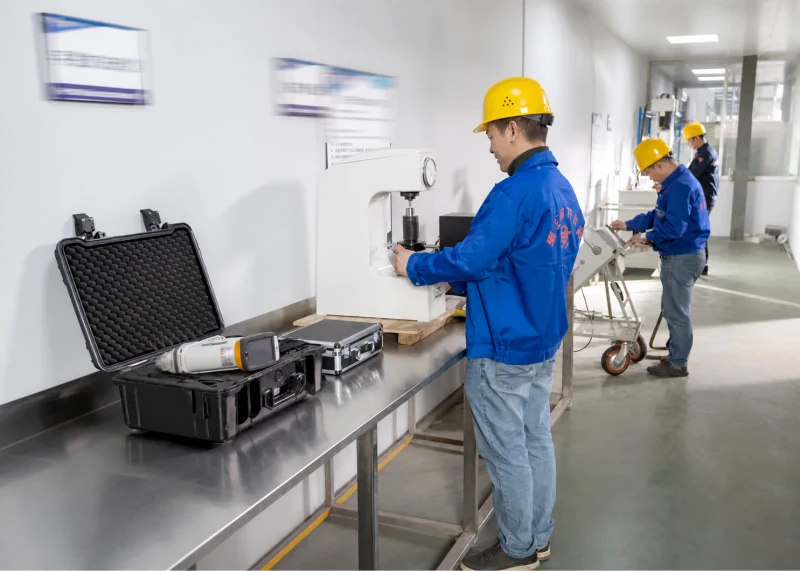
Review valve shell, seat and external-leakage evidence, including hydrostatic and gas tests. Define the conditions and records for procurement acceptance.
Read article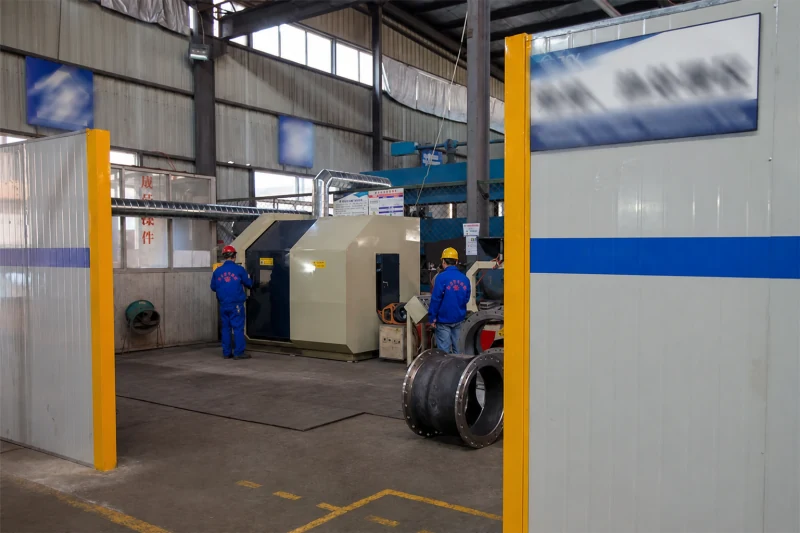
Specify sour-service valves with the right H2S environment, material condition and component records. Understand the scope of NACE MR0175 / ISO 15156.
Read article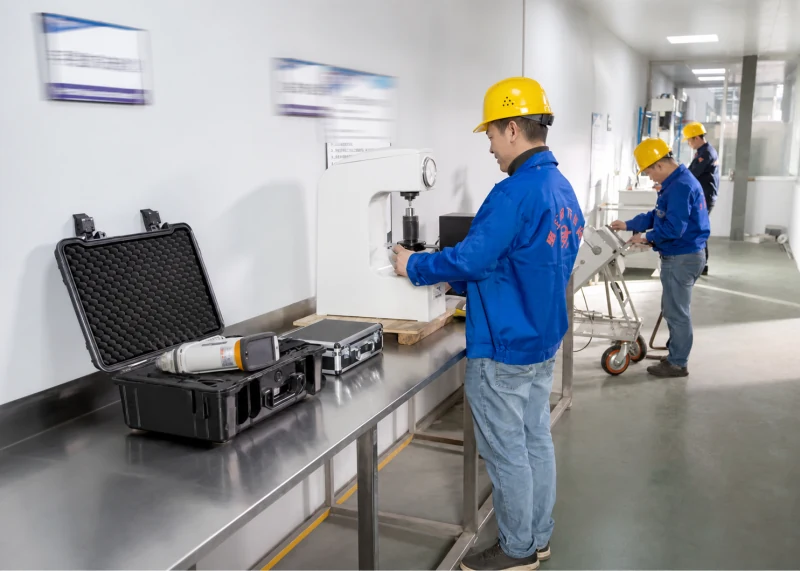
Review duplex valve materials for chloride service using temperature, crevices, product form and inspection evidence. Understand what PREN can and cannot show.
Read article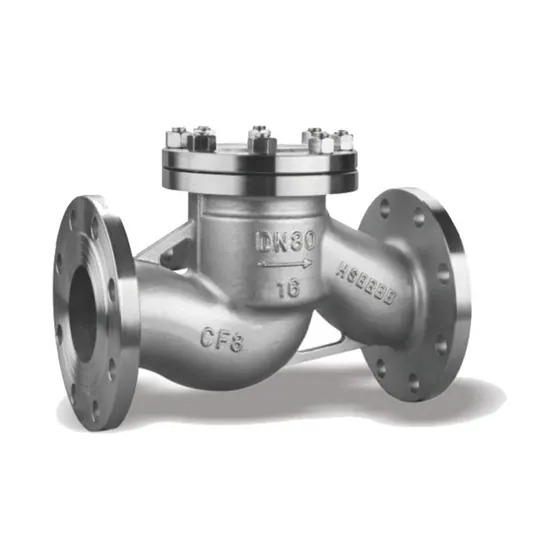
Plan valve replacements using ASME B16.10, the correct dimensional pattern, end connections and field checks. Avoid assuming a nominal-size match will fit.
Read article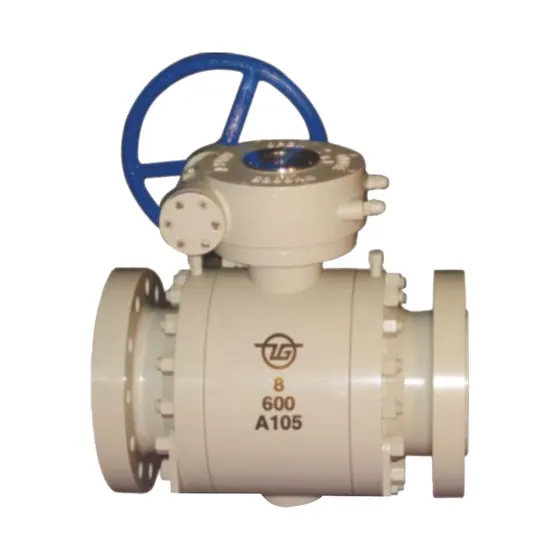
Compare cast and forged steel valves by product form, material requirements and inspection scope. Avoid assuming that manufacturing route guarantees quality.
Read article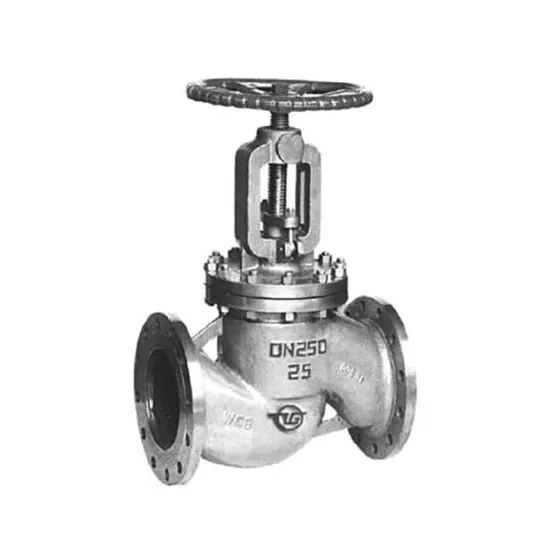
Review valve packing live loading through spring load, available travel, temperature and stem friction. Specify an engineered assembly for thermal cycling.
Read article
Distinguish API 622 packing, API 624 and API 641 valve type tests, and ISO 15848 evidence. Match external-leakage requirements to the offered build.
Read article
Understand EN 10204 3.1 and 3.2 valve material certificates, heat-number traceability, component mapping and the records needed at receiving inspection.
Read article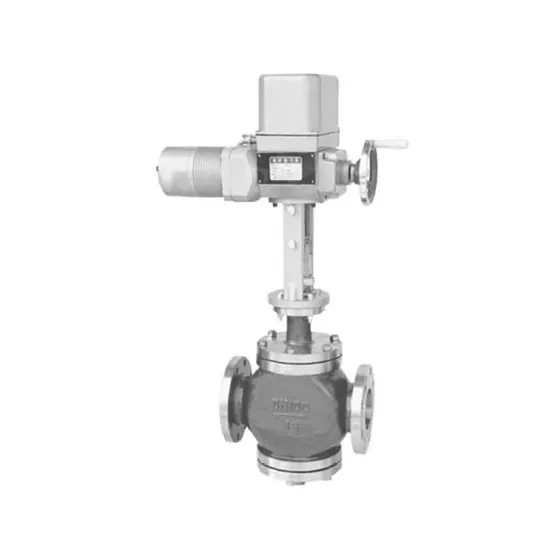
Distinguish valve cavitation and flashing using fluid properties and pressure recovery. Prepare operating-point data before selecting a replacement or trim.
Read article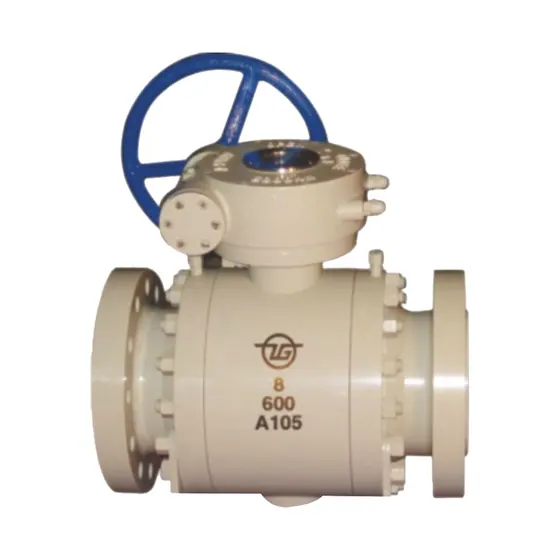
Check a fire-safe valve certificate against the offered design, seats, size and class. Separate valve qualification from powered-actuator requirements.
Read articleCompare WCB carbon-steel and CF8M stainless valve bodies, then verify trim, seals, cleaning exposure and the complete offered material schedule.
Read articleReview trapped liquid, temperature change and cavity relief paths in ball valves. Identify discharge direction, protection scope and supplier responsibilities.
Read article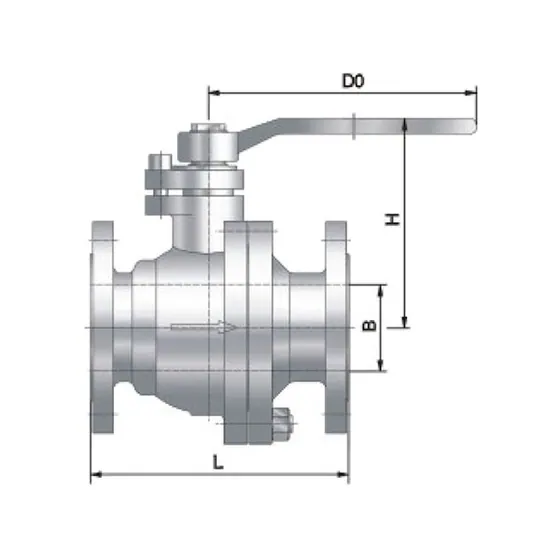
Define valve PMI and NDE by component, method, coverage and acceptance. Understand XRF carbon limits and the separate roles of surface and pressure testing.
Read article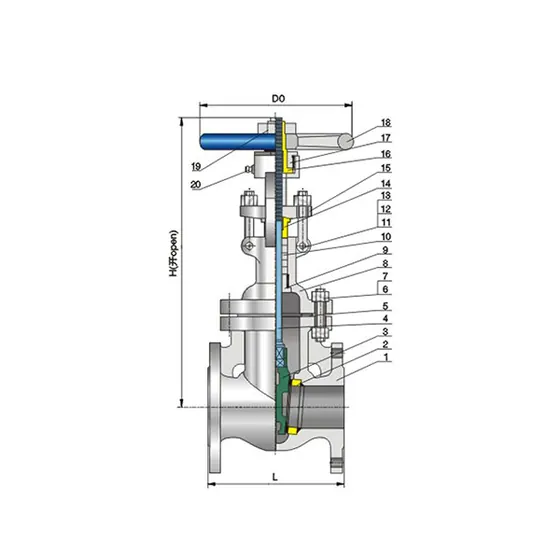
Check RF and RTJ valve connections, gaskets, facing, bolting and installation length. Verify the actual mating joint before approving a replacement.
Read article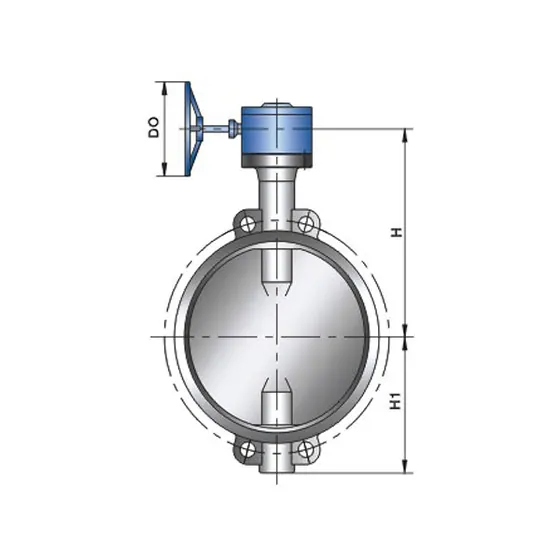
Specify lug butterfly valve end-of-line duty with retained pressure, direction, hardware and support. Obtain approval for the exact removed-flange condition.
Read article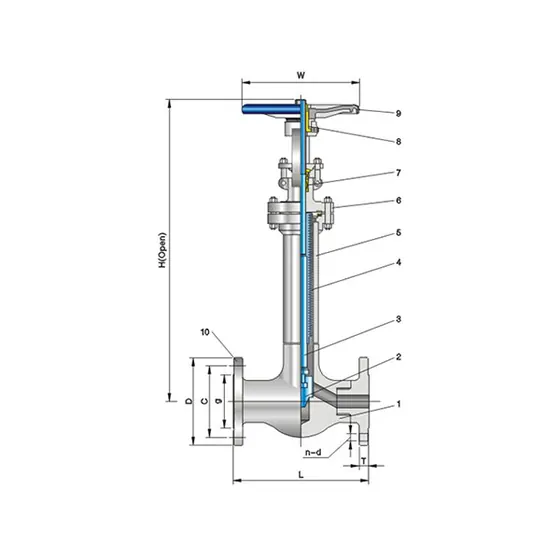
Specify steam isolation valves for start-up, running and shutdown. Connect material, shutoff and operator requirements with condensate drainage and site duty.
Read article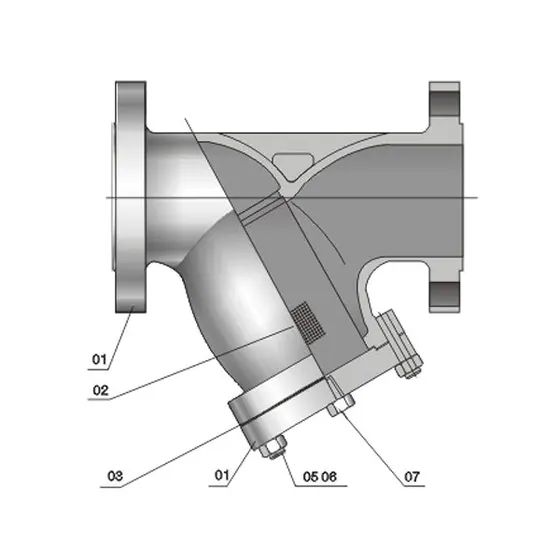
Select Y-strainers by actual aperture, wire geometry, clean and dirty pressure loss, element strength and maintenance access, with a worked mesh example.
Read article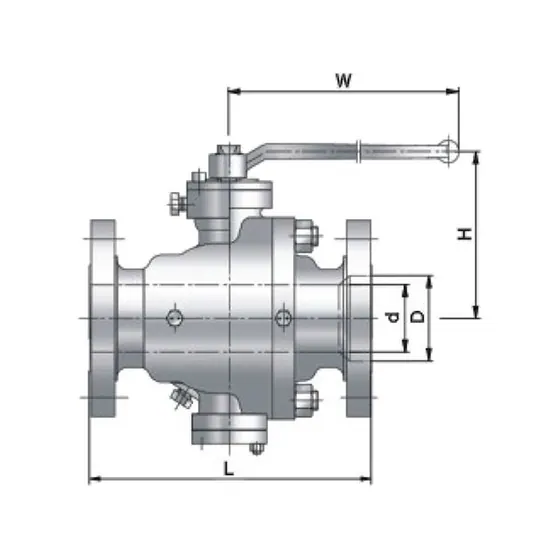
Calculate a conditional valve energy comparison from flow, pressure-drop difference, efficiency and duty hours. Separate assumptions from measured savings.
Read articleCompare valve quotations with the original requirement, offered scope and deviations in view. Resolve material, operator, document and delivery assumptions.
Read article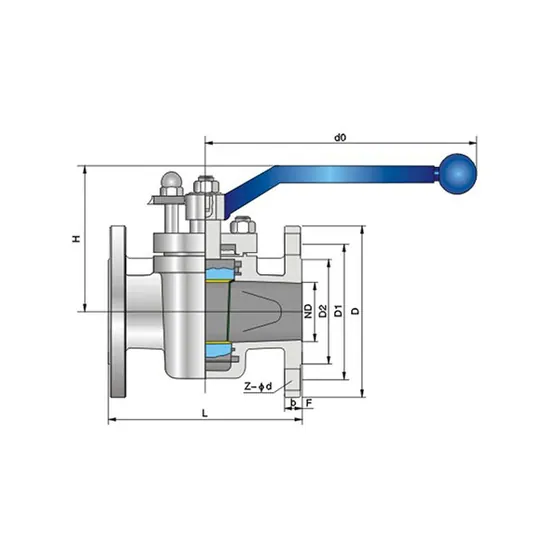
Carry valve identity, approved build and preservation from delivery to installation. Record condition, document gaps, storage checks and handover status.
Read article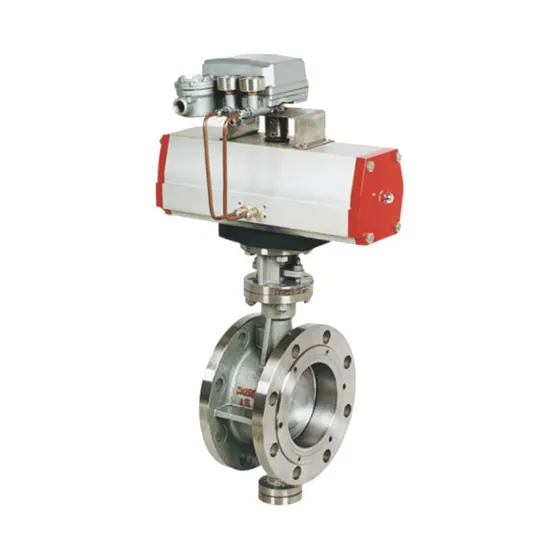
Check actuator output at minimum supply and mechanical limits at maximum supply. Review spring return, failure action and the assembled valve package.
Read article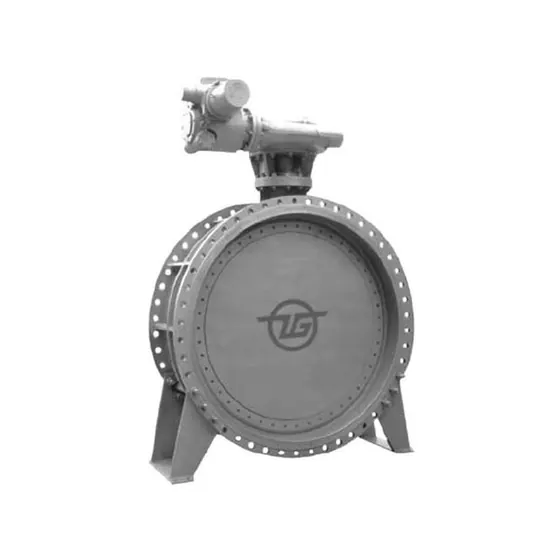
Specify valve failure action for air, power and signal loss. Define energy, movement, feedback and restart requirements for the complete automated package.
Read articleCompare electric valve actuator duties using movement frequency, running time, load and control requirements. Review the complete valve and drive package.
Read articleNo articles match your search. Try another topic or keyword.
For your next enquiry
Record the service conditions, materials, dimensions and inspection requirements in one editable workbook.
Two original design disclosures, with source-linked questions for the engineering team.
Scan a code or use the mobile and WeChat contact numbers.